01
A map
Which AI tool does which job. They don't all have to come from one company.
Six AI tools. One shared brain. Swap any part when something better shows up.
Which AI tool does which job. They don't all have to come from one company.
Every tool reads the same notes. Not copy and paste.
Write down what worked and what broke. Next time starts there.
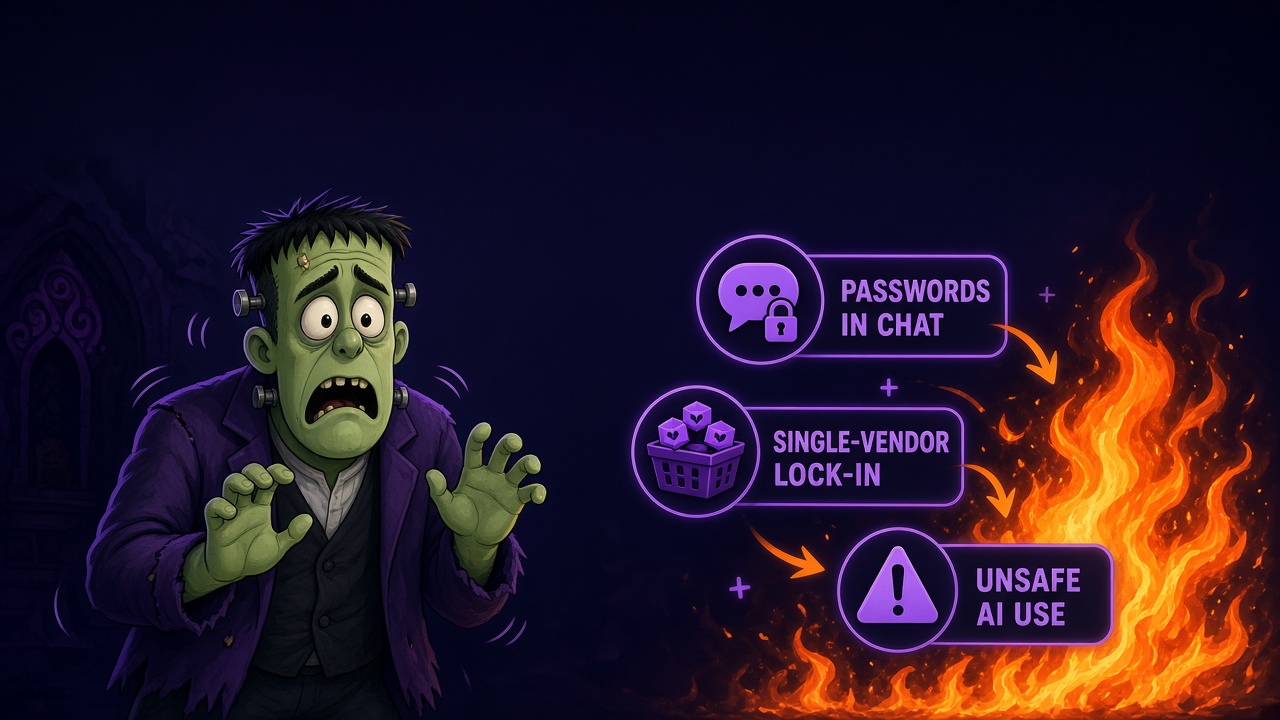
Misuse, one company for everything, and passwords pasted into a chat.
When a new AI tool launches three weeks from now, you'll be ready to plug it in.
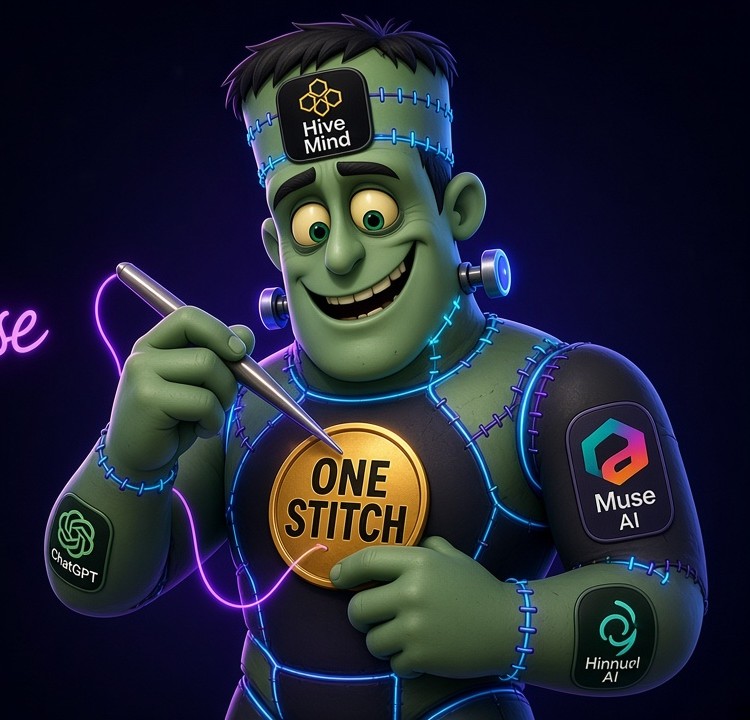
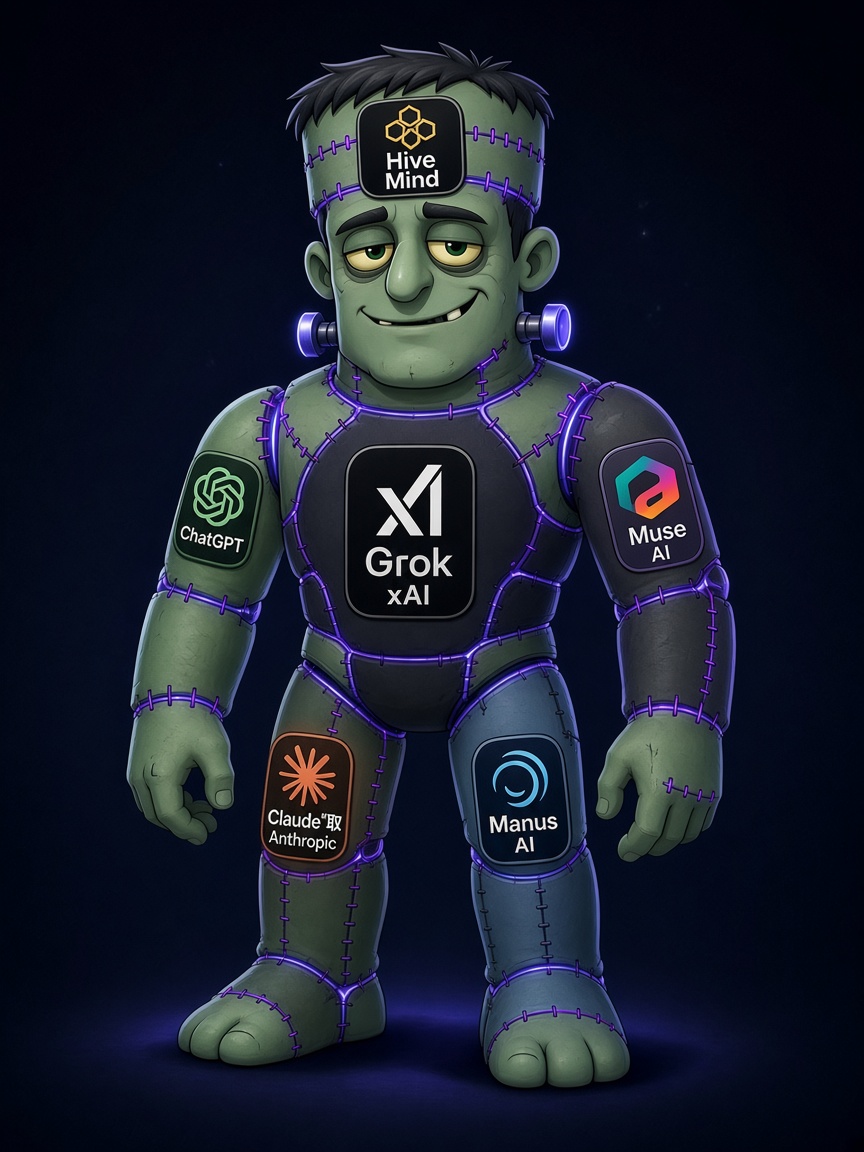
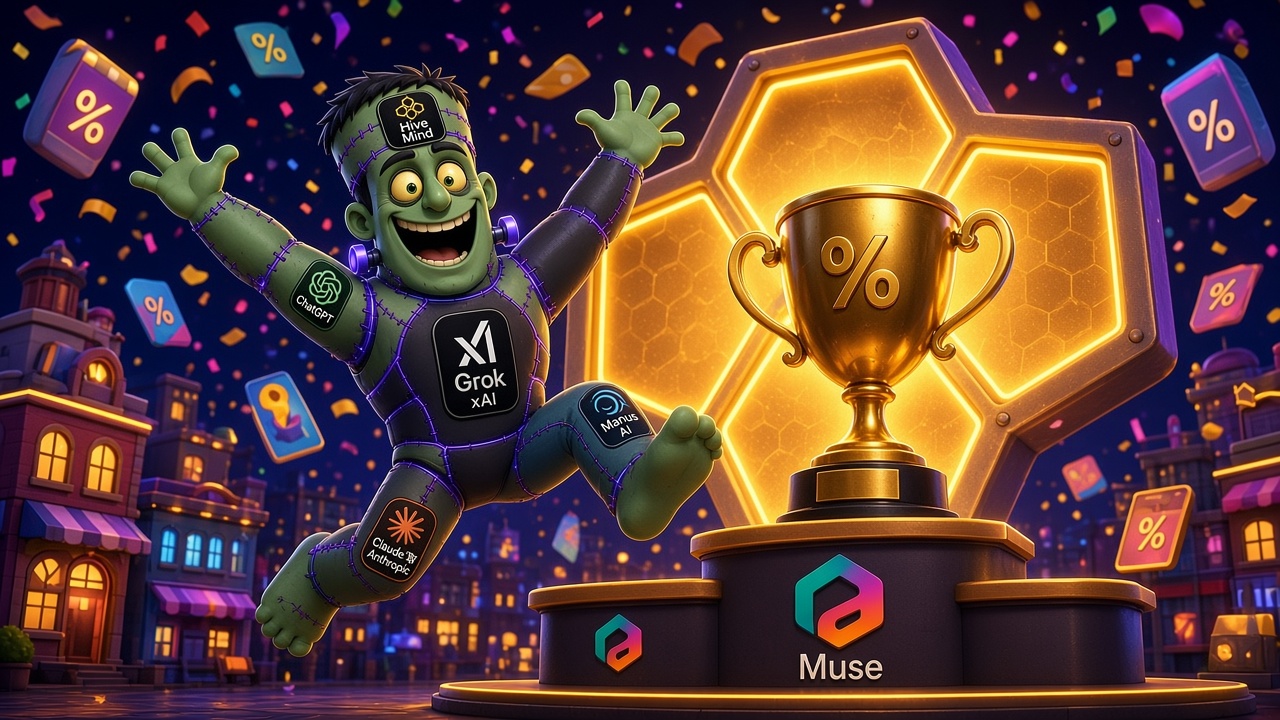
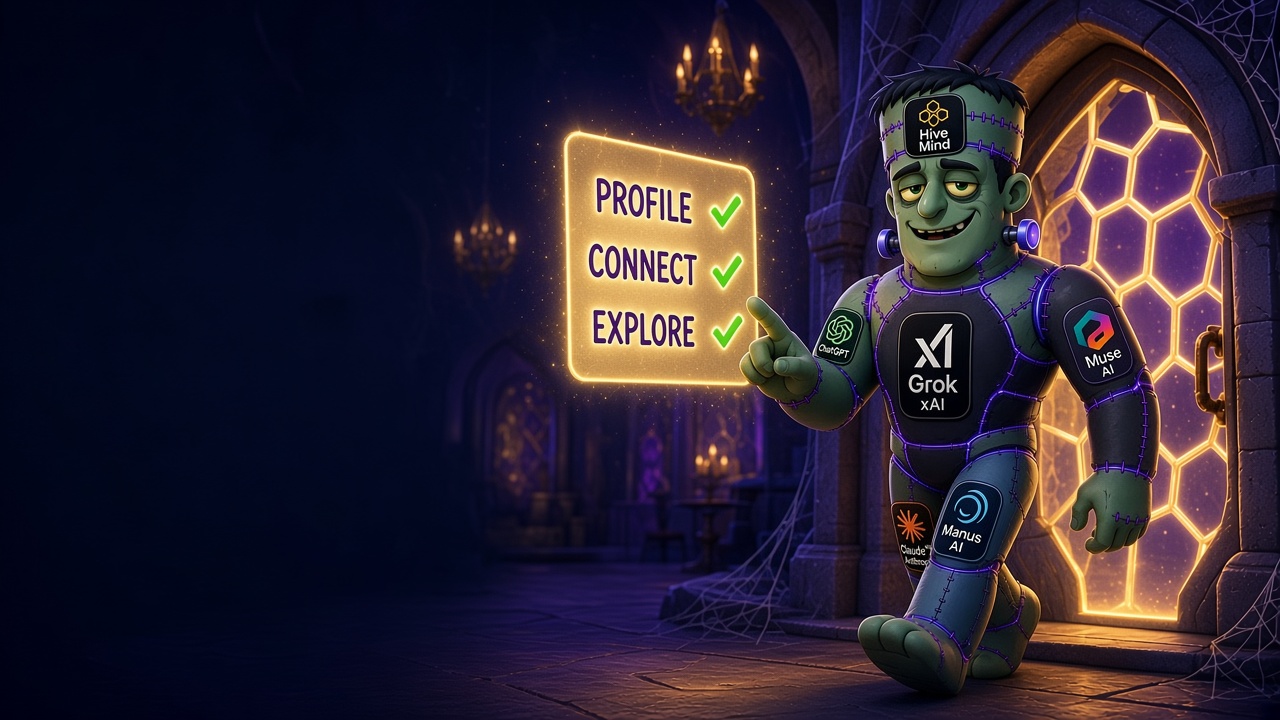
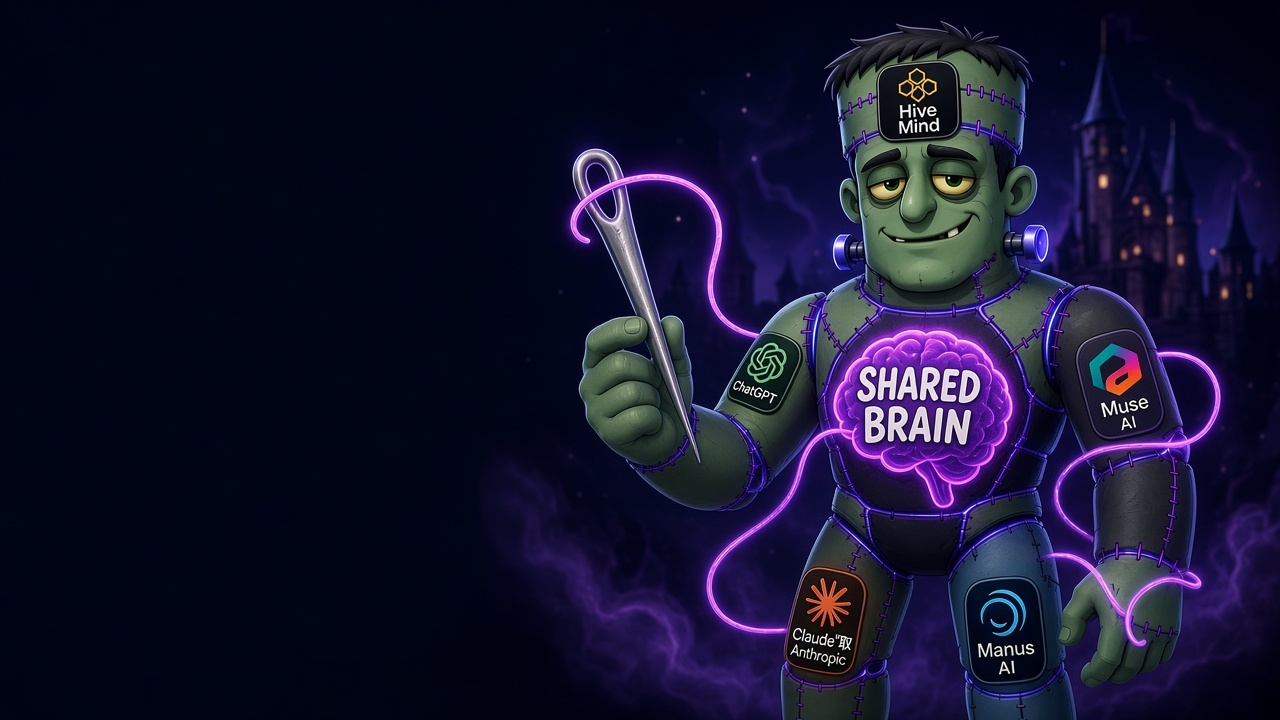
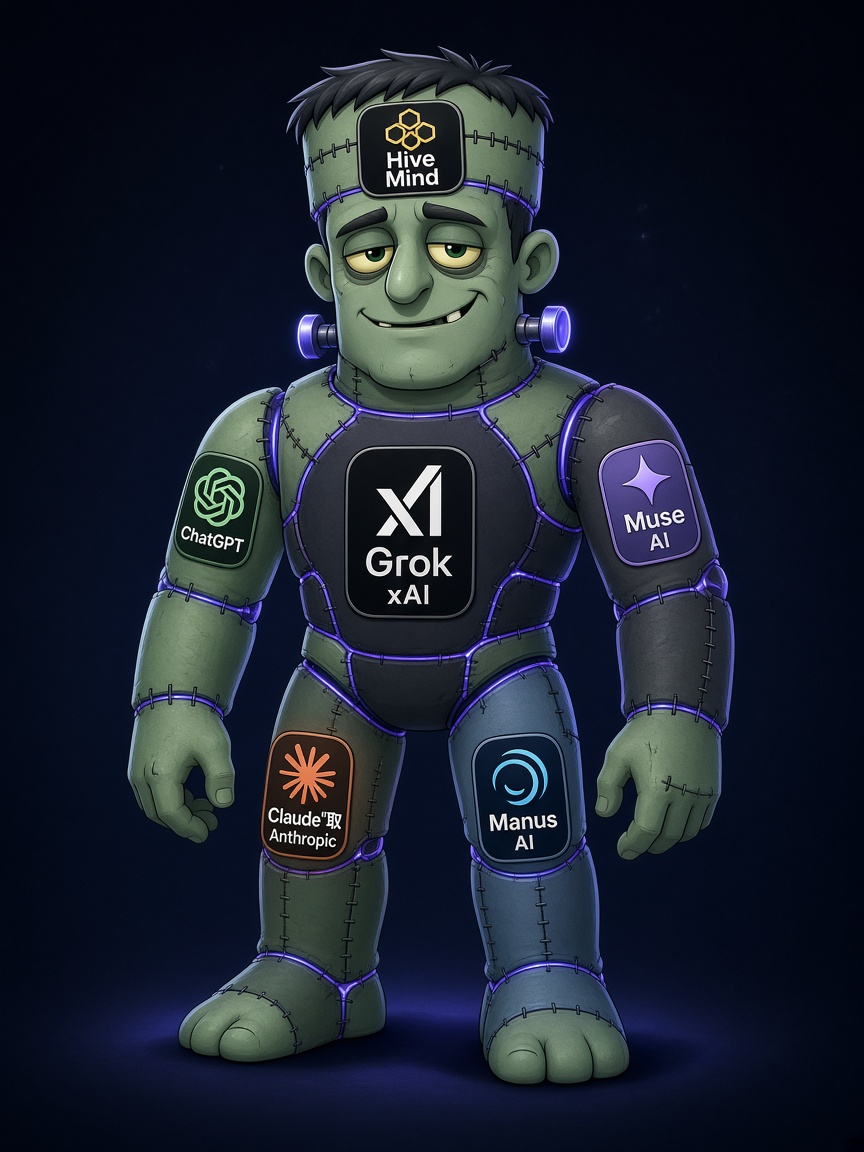
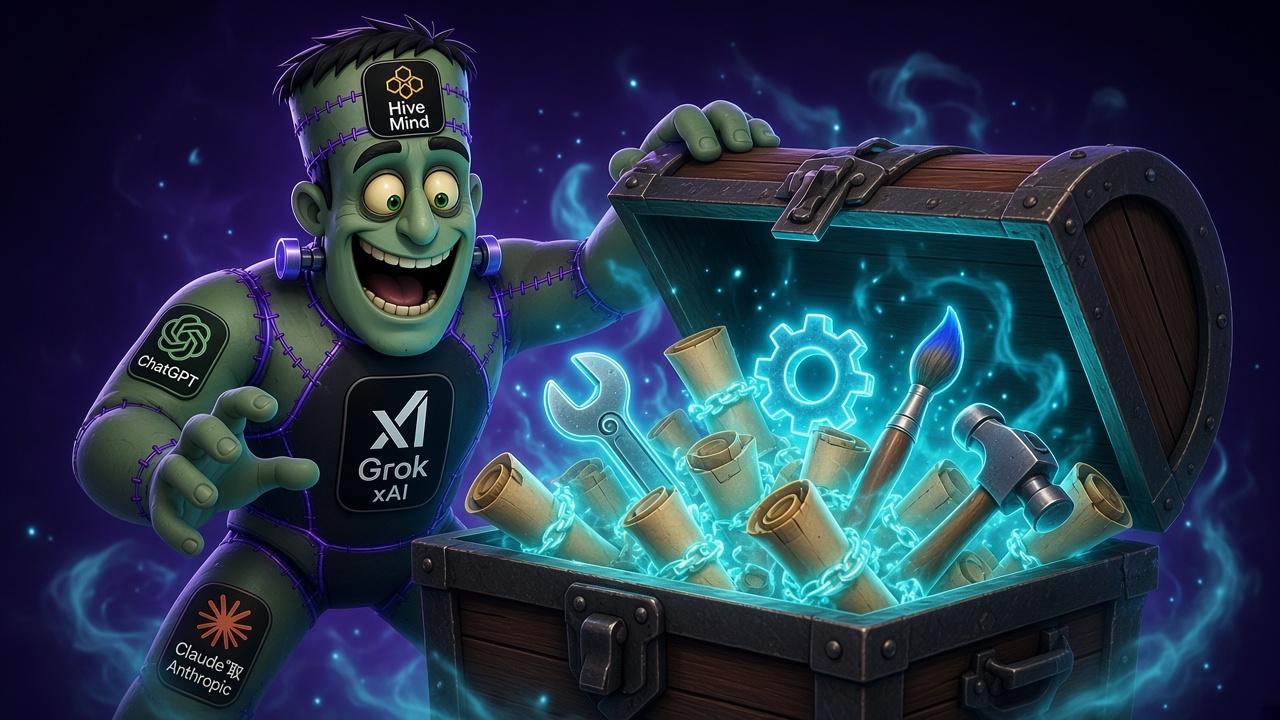
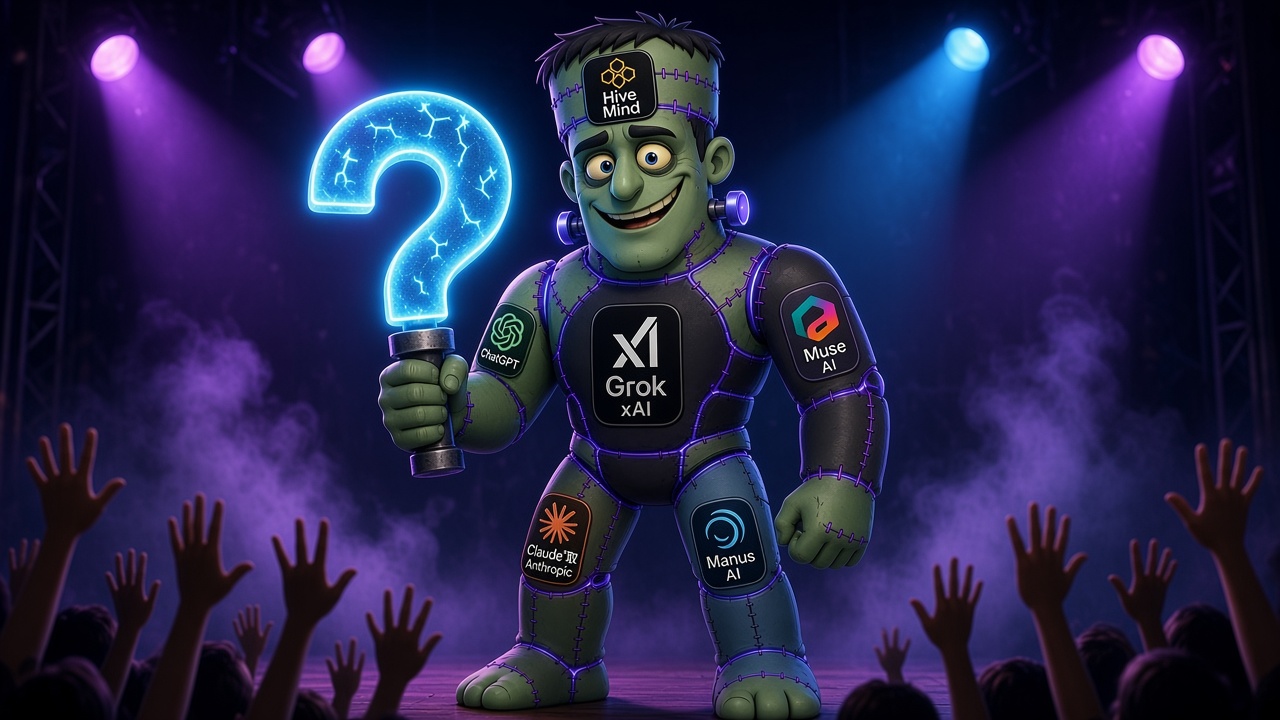
Six tools, each with its own job, sewn onto one head.
 Hive Mind
 Grok
 ChatGPT
 Meta Muse
 Claude
 Manus
If that company changes its product, its price, or its rules, everything you built breaks at once.
Hive MindGrokChatGPT
MuseClaudeManus
Any one tool can be replaced. Your notes live in the shared brain, so a new tool doesn't start from zero.
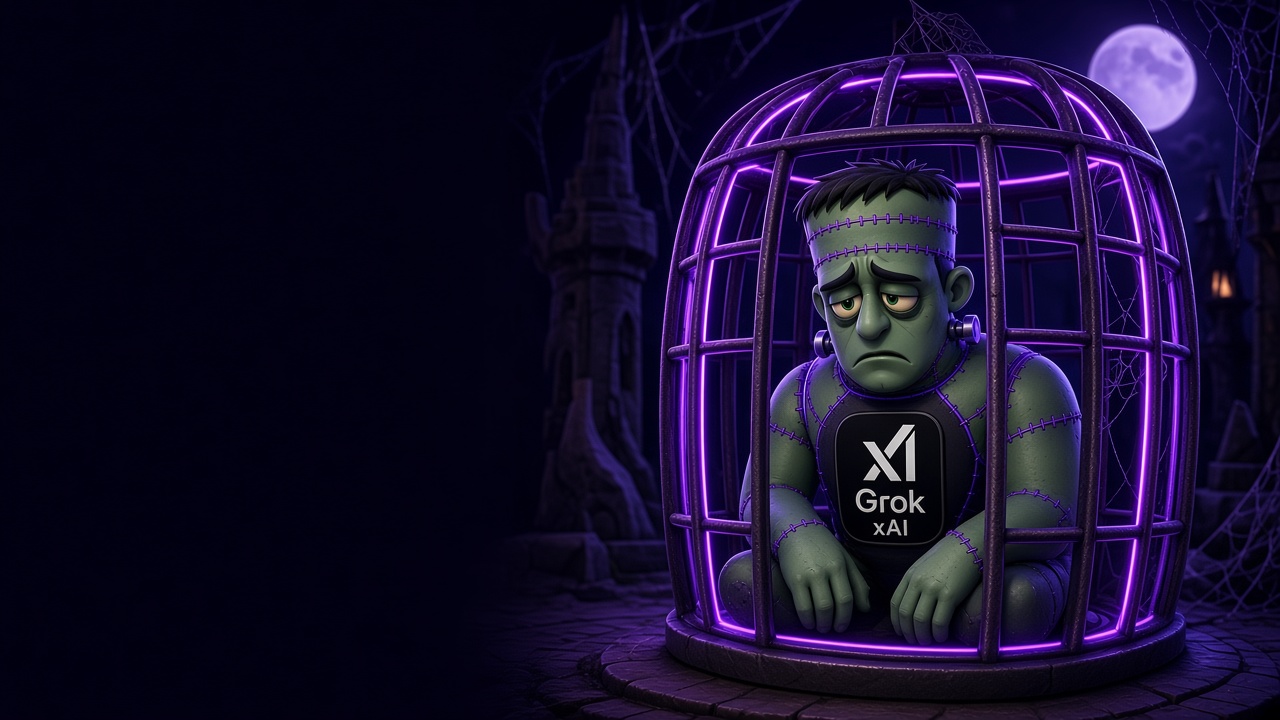
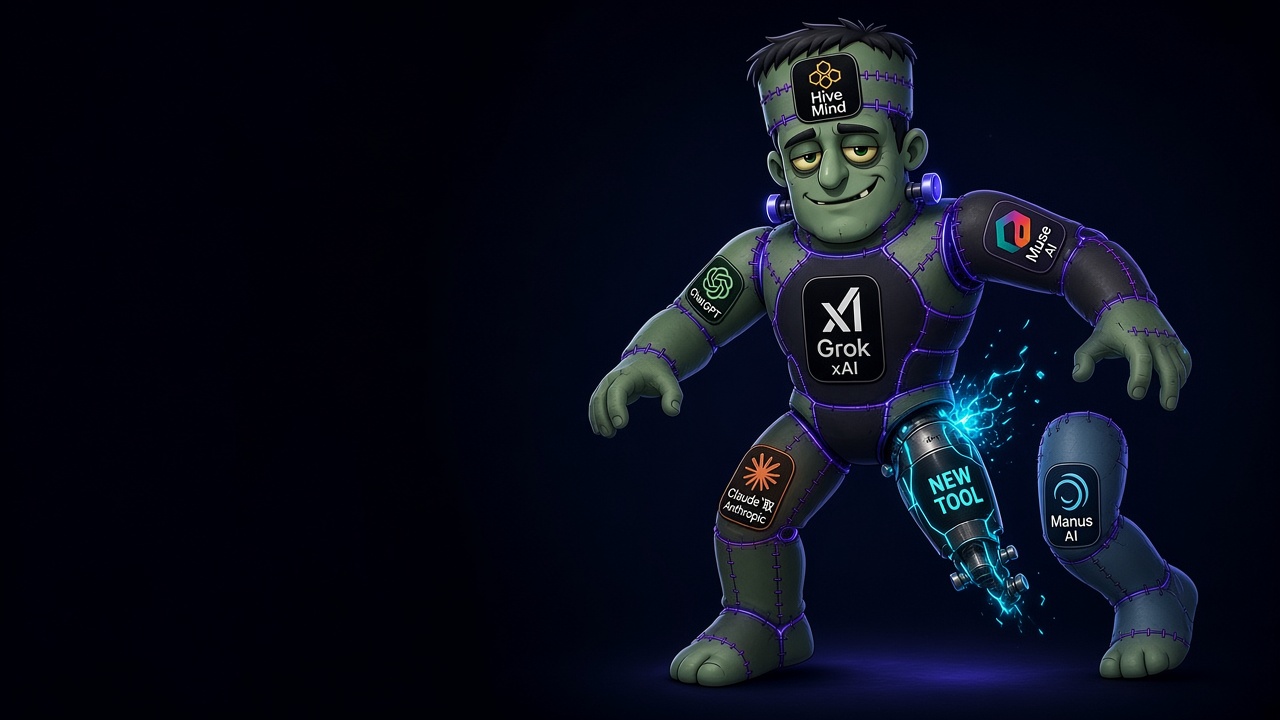
You're not stuck. Arms and legs are replaceable, because the head and the shared brain stay.
Hive Mind is CreativeHive.ai: buyer matching for creative-finance real estate deals, and the people and money around them.
The AI tools are the arms and legs. Hive Mind is where they share one picture of your deals.
Five quick slides.
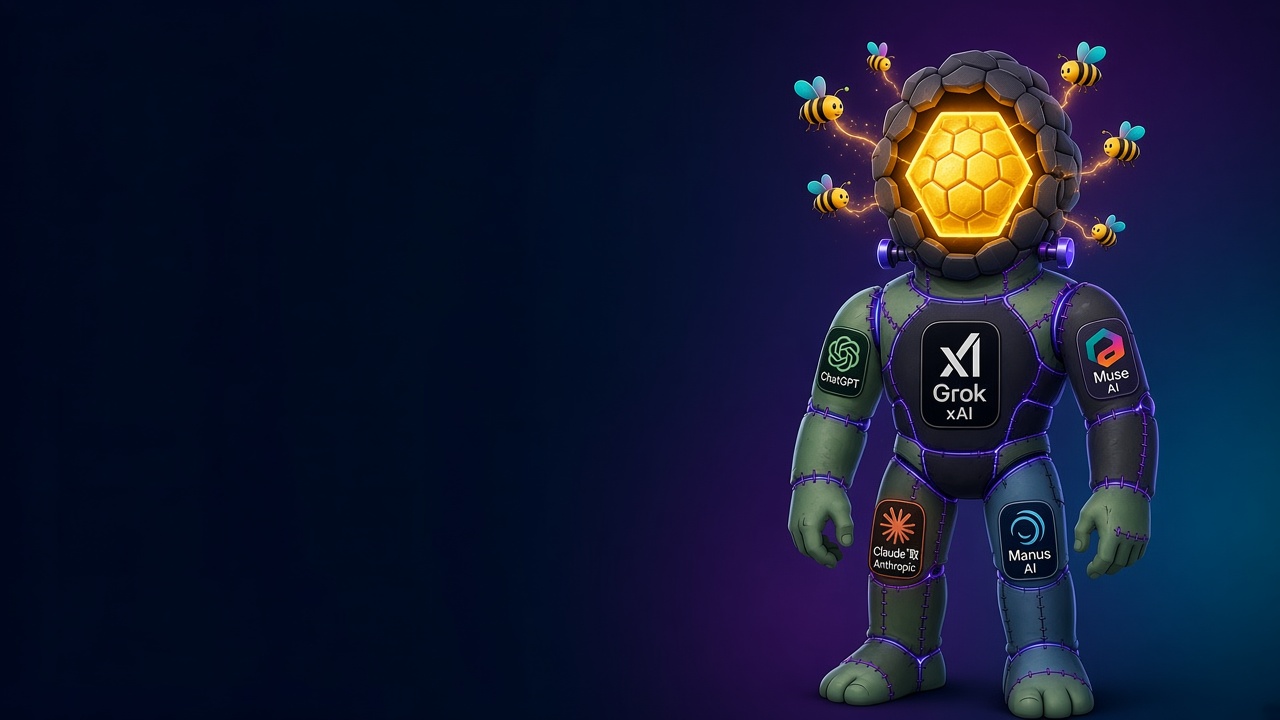 Hive Mind · what it does · 1 of 5
Your buy box is the kind of deal you want. Your lend box is the kind of deal you'll fund. Hive Mind keeps both on file.
You don't go hunting. When a deal fits your box, Hive Mind brings it to you.
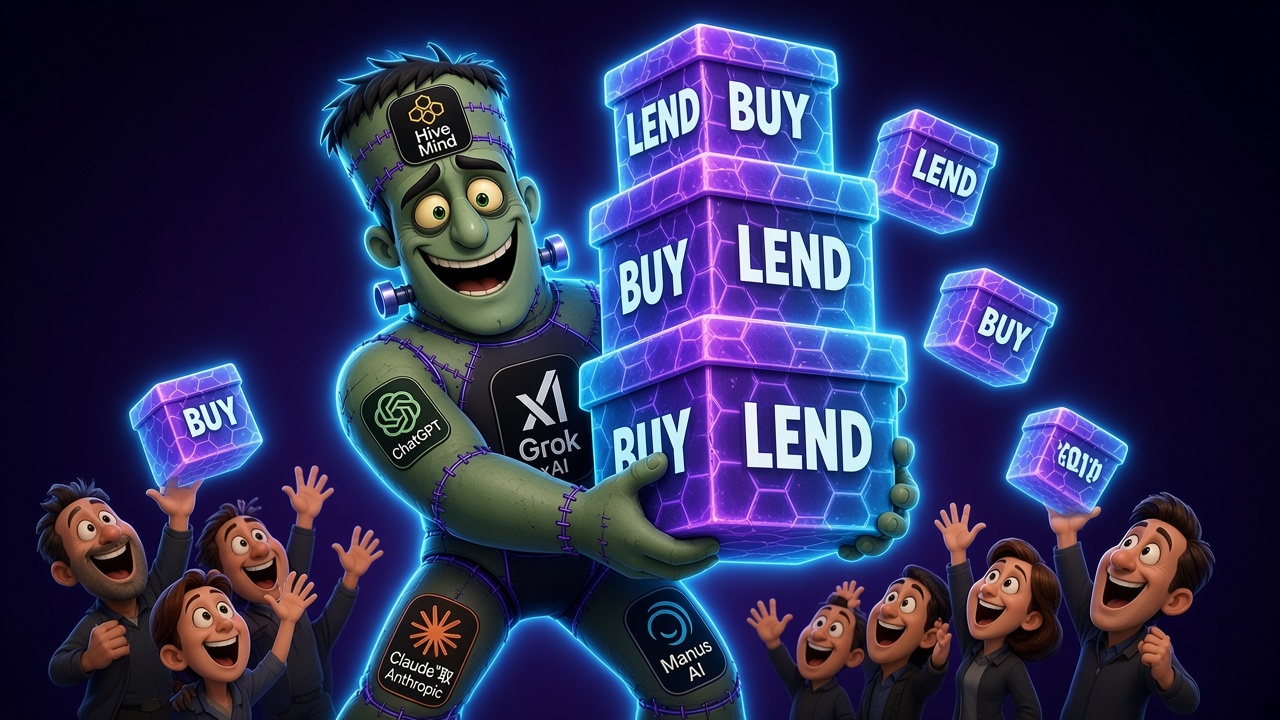 Hive Mind · what it does · 2 of 5
Find members who fit what you need, instead of asking around.
Bring someone in on a deal you don't want to take on alone.
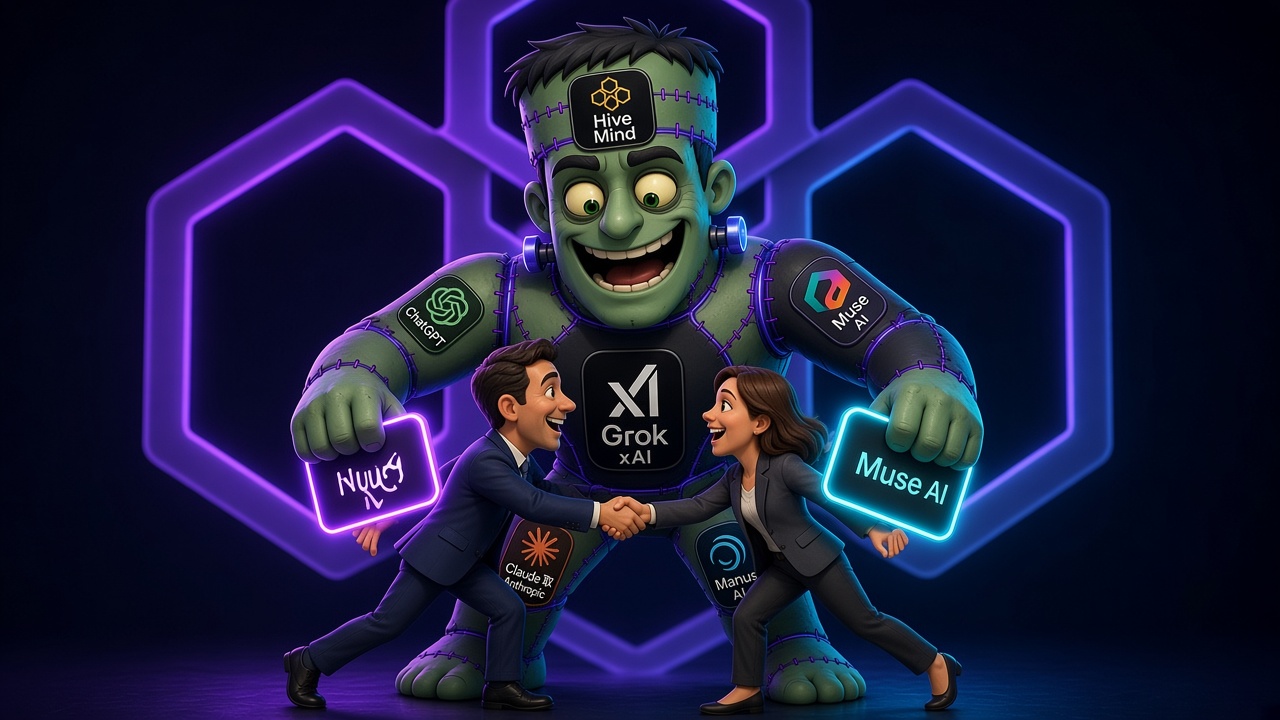 Hive Mind · what it does · 3 of 5
Members rate each other, the way you rate an Uber driver or an Amazon seller.

 Same idea, for deal partners.
Browse deals you could put money into, filtered by trust rating and by location.
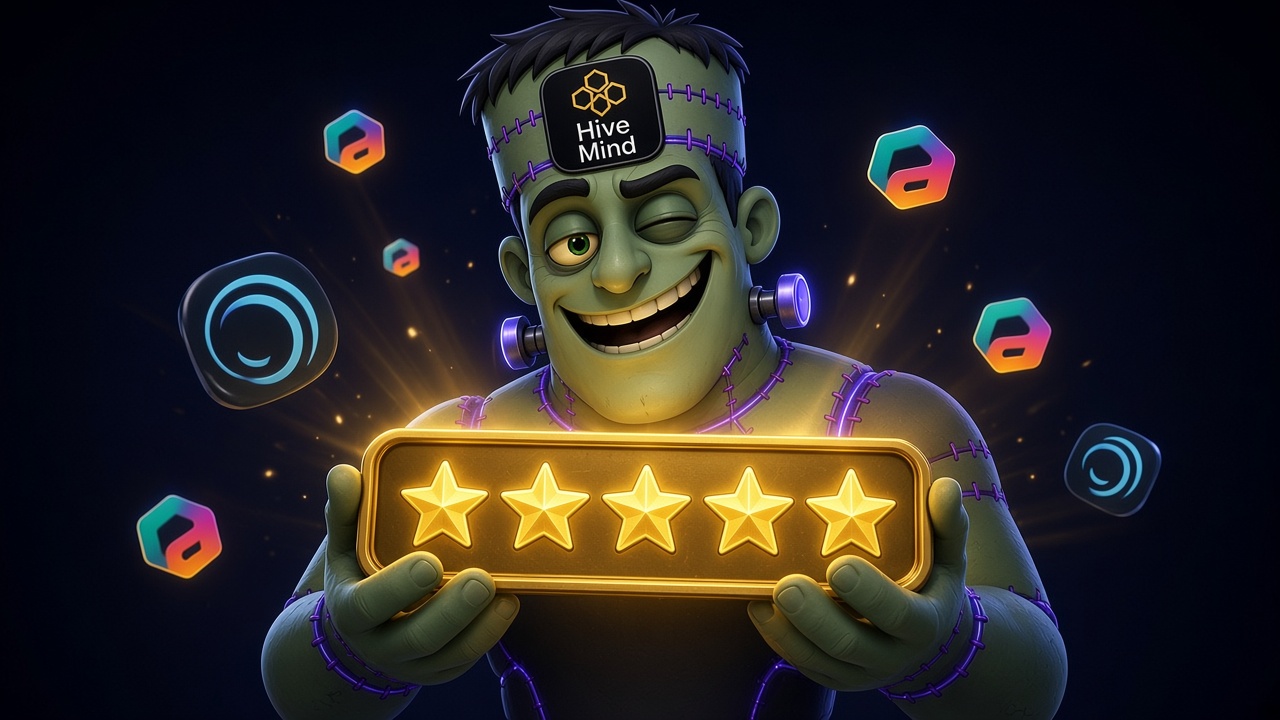 Hive Mind · what it does · 4 of 5
Have a deal you want to sell? Submit it to dispo, short for disposition. That just means Hive Mind helps find it a buyer.
Found a deal but need the money? Submit it and ask the network to fund it.
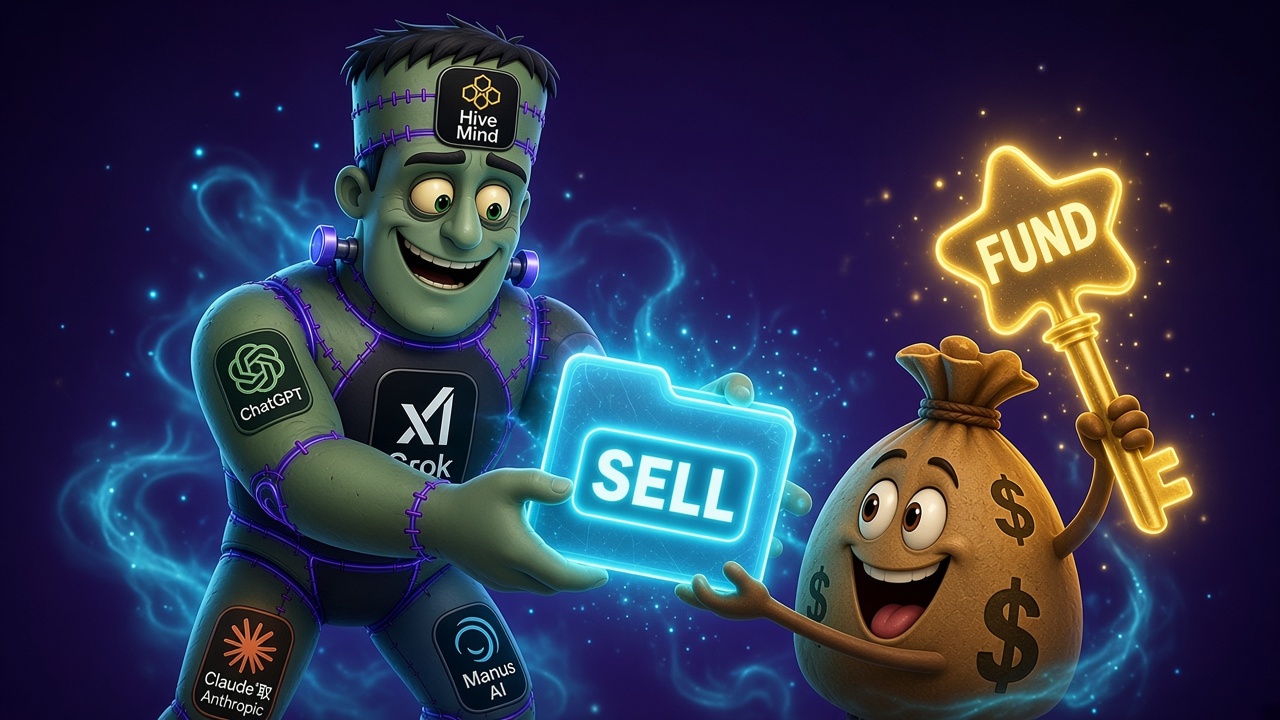 Hive Mind · what it does · 5 of 5
The wider community submits deals too, and earns points and a spot on a leaderboard for it.
Find members who run businesses you want to use, not just people with deals.
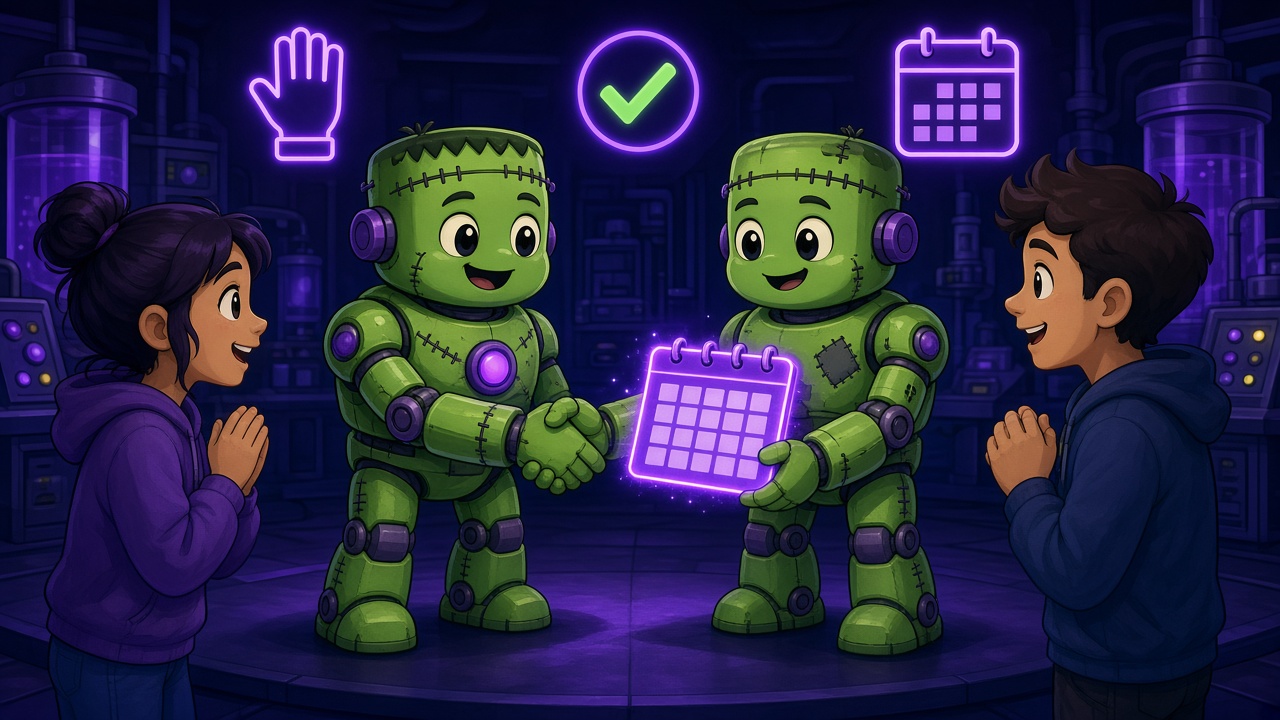
No more texting back and forth to find a time.
You stay in control. You set your own calendar availability.
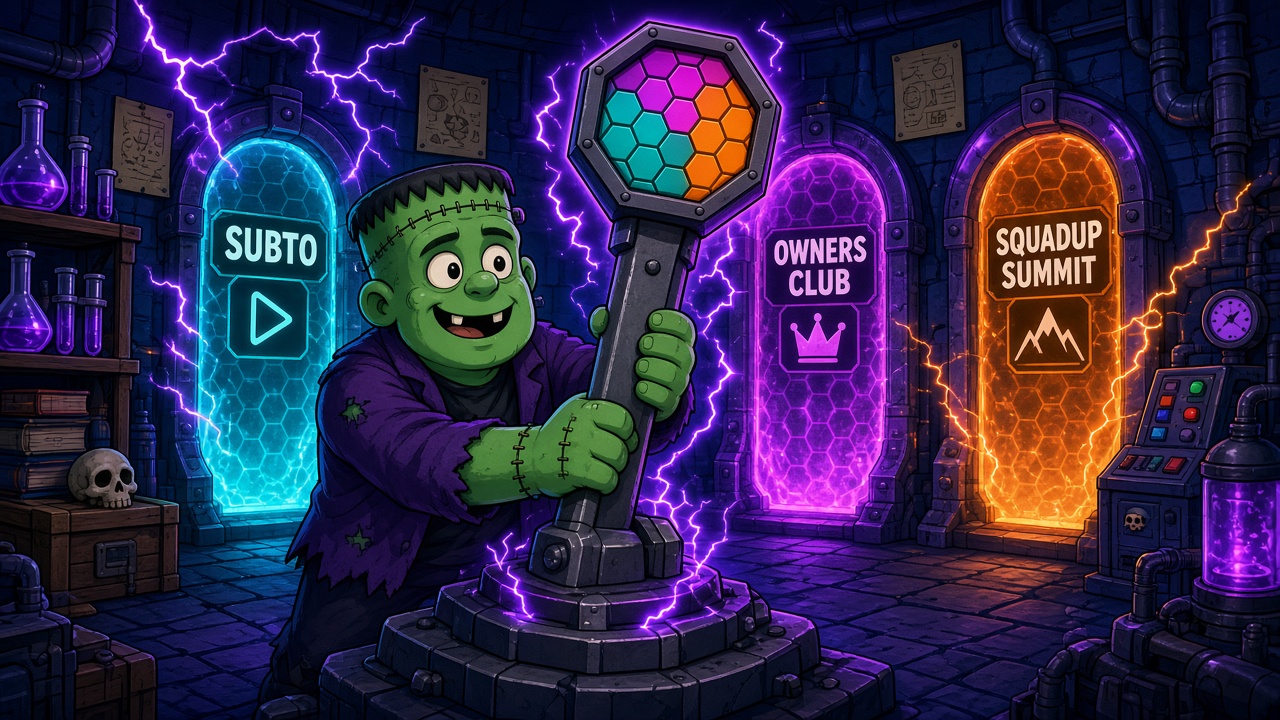
Owen shares his screen. Follow along.
If you copy and paste between AI chats, you are the only link between them, and things get lost.
01 · CLAUDEClaude saves one note to the shared brain.
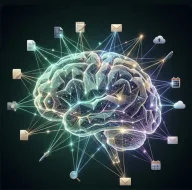 02 · THE BRAIN
The note is still there after both chats close.
03 · GROKGrok never saw Claude's chat. It reads the brain.
04 · CLAUDEIf both quote the same note, the handoff worked.
Any bot can post to the brain, and any other bot can pick it up. Example: a lead replies, Claude posts that to the brain, and Grok picks it up and updates the pipeline.
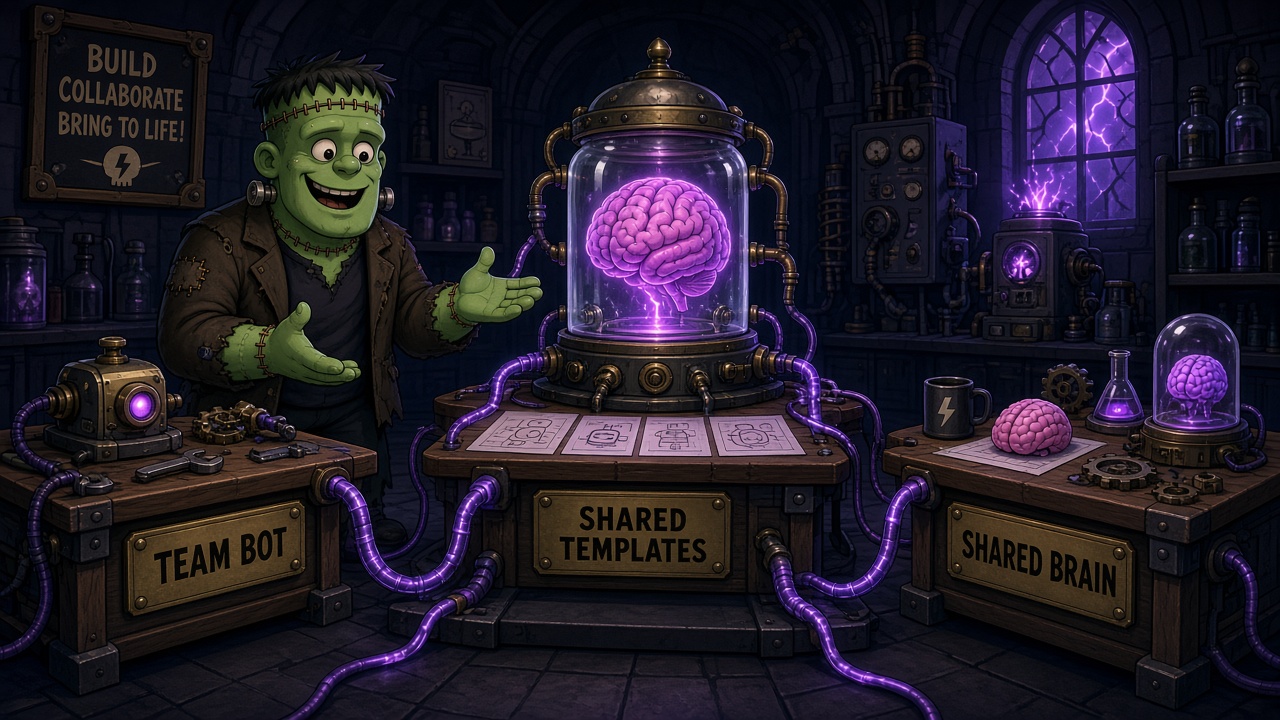 01
One bot on a team plan. Everyone gets a private thread, and nobody sees anyone else's chat.
Each person spins up their own bot from the same template. Same skills, their own tokens.
03Everyone keeps their own bot, and they all read and write the same Cloud Brain. Same result, no team plan needed.
Hive Mind brings a deal that fits your buy box. Grok writes a note about it into the shared brain. Claude reads the note and adds the numbers. Grok picks that back up and drafts an email Owen can send. Nothing goes out until a person approves it.
Grok writes the deal noteIt opens the Hive Mind deal that fits your buy box and saves the deal and the ask to Cloud Brain.The brain holds the noteOne note both tools can read. No passwords, no client names.Claude adds the numbersIt reads the note and writes the underwrite back to the same brain.Grok drafts the emailIt picks the underwrite up from the brain. It stays a draft. Don't send it.Save what brokeLast step: a dated note in the brain. What broke, and what to try next time.Hive Mind deal
GrokOps noteBrainHolds the noteClaudeUnderwriteBrainHolds the numbersGrokDispatchOwen works in Claude. The volunteer uses ChatGPT, which proves you can swap tools, or Grok. Both write to the same brain, so each AI can see what the other person said. It works when each AI can repeat both people's notes.
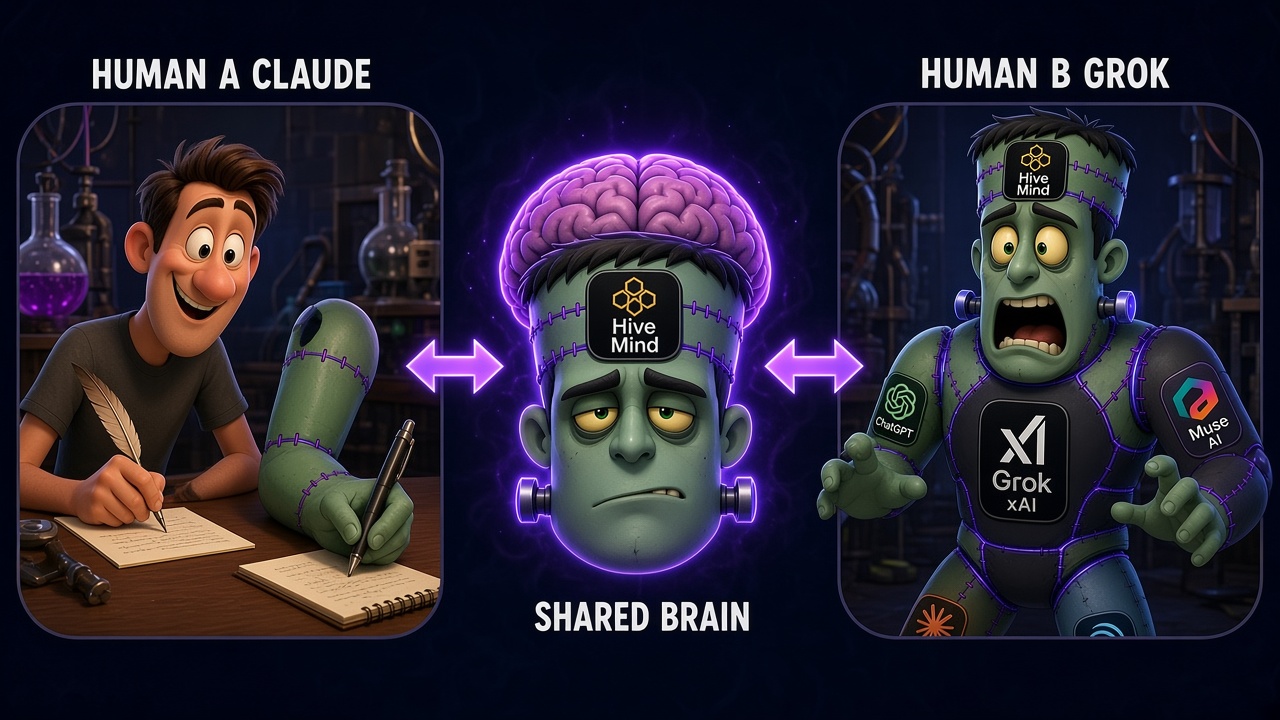
The middle column is the creature in the picture. Your column can be different, and a seat can stay empty.
| Seat | On the creature | The job |
|---|---|---|
| Head | Hive Mind | Deals and people. |
| Chest | Grok | Web research and the numbers. |
| Arm | ChatGPT | A second opinion that checks the work. |
| Arm | Muse | Meta ads. |
| Leg | Claude | Building: code, PDFs, designs, and drafts. |
| Leg | Manus | Errands: an agent that takes steps for you. |
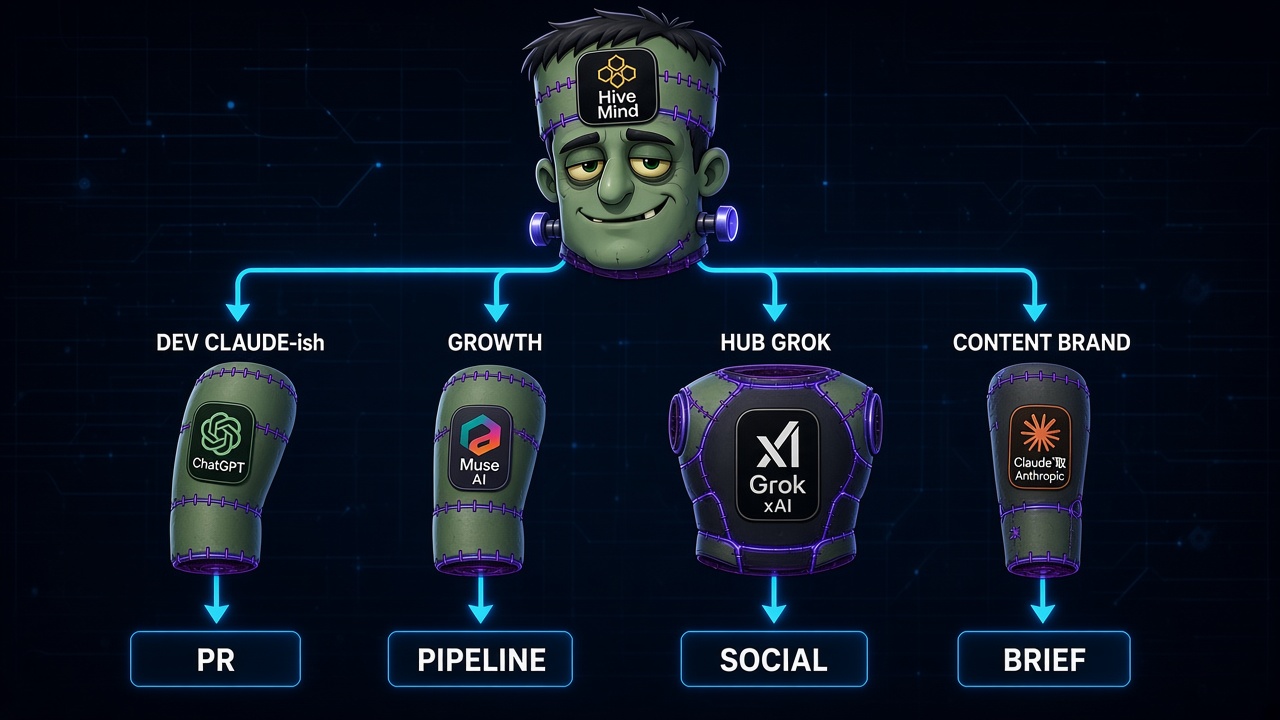
Muse here is Meta Muse. One company in every seat is the thing to avoid.
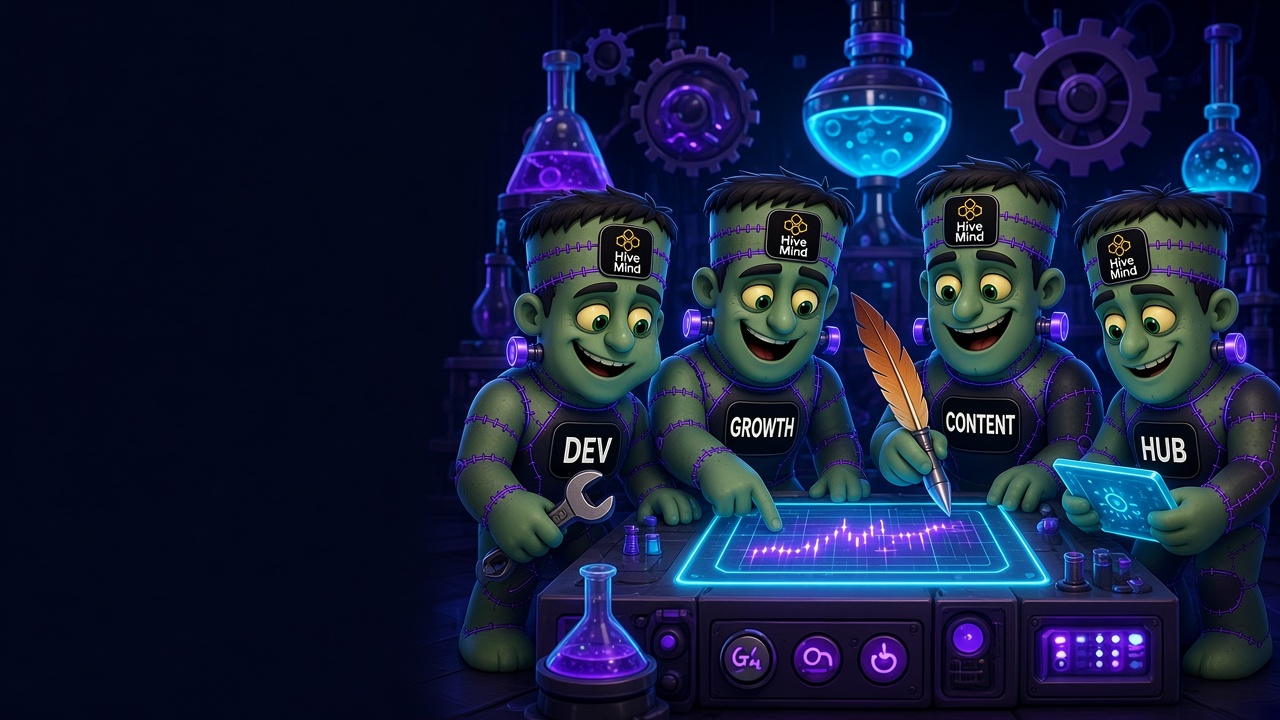
The developer's AI opens a pull request. Growth updates the sales pipeline. The social lead posts. Content writes the brief. Ignore the tool names on the arms and legs: any tool can fill any role.
Good for the task at hand. Close the tab and it's gone, and that's fine.
Decisions and rules you want any AI to read next week. It only remembers what you put there.
Any AI you use reads the same notes about your business.
A rule you set is still there after the chat is closed.
Like the Claude and Grok handoff you watched.
Notes on what worked and what broke, not a pile of old chats.
If something should still be true tomorrow, save it to the brain before you close the chat. Then you can swap any AI tool without re-teaching it everything.
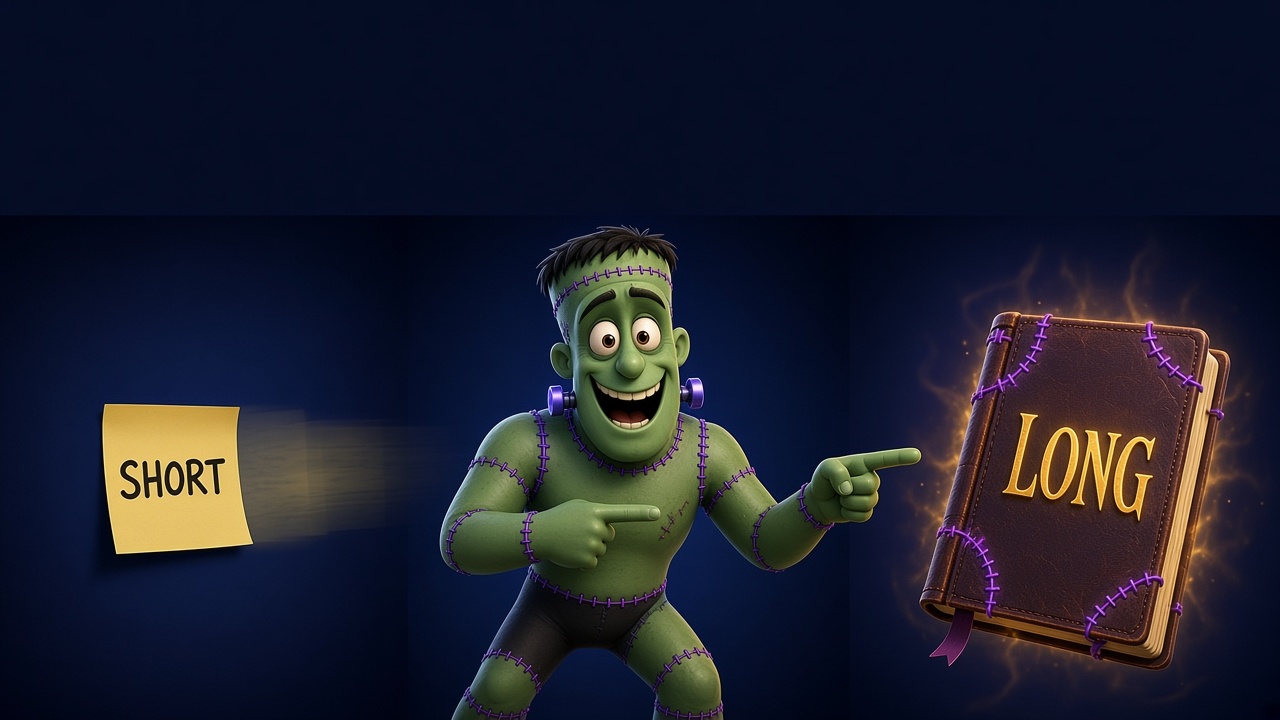
I use Cloud Brain. You don't have to. Any of these can do the job.
One shared business context for the tools I use. Grok, Claude, ChatGPT, Meta Muse, and others can read that same picture of the business.

Notes saved as files on your own computer.

A workspace your team may already share.

Documents you can point an AI at.
Files you control. No new account.
Same job: notes every AI tool can read. They are different products. Pick the one you'll still open next week.
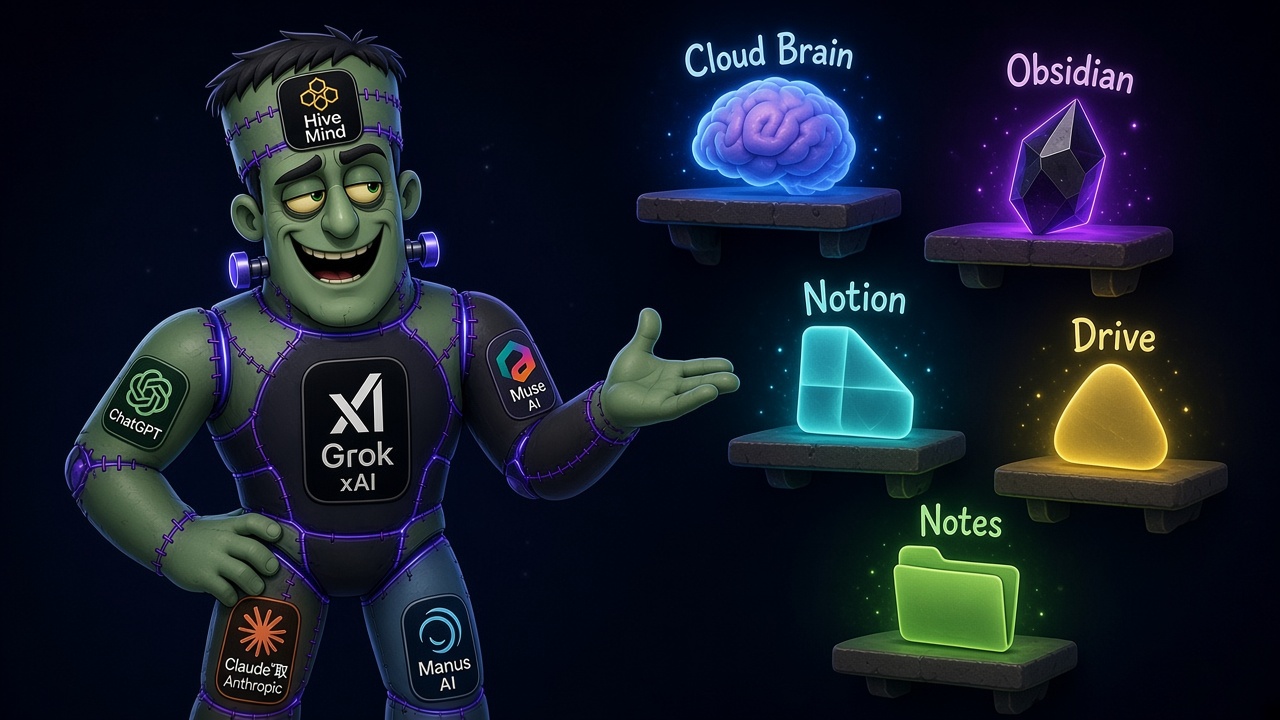
Your tools share a brain they can search. Save the decision, not the whole chat.
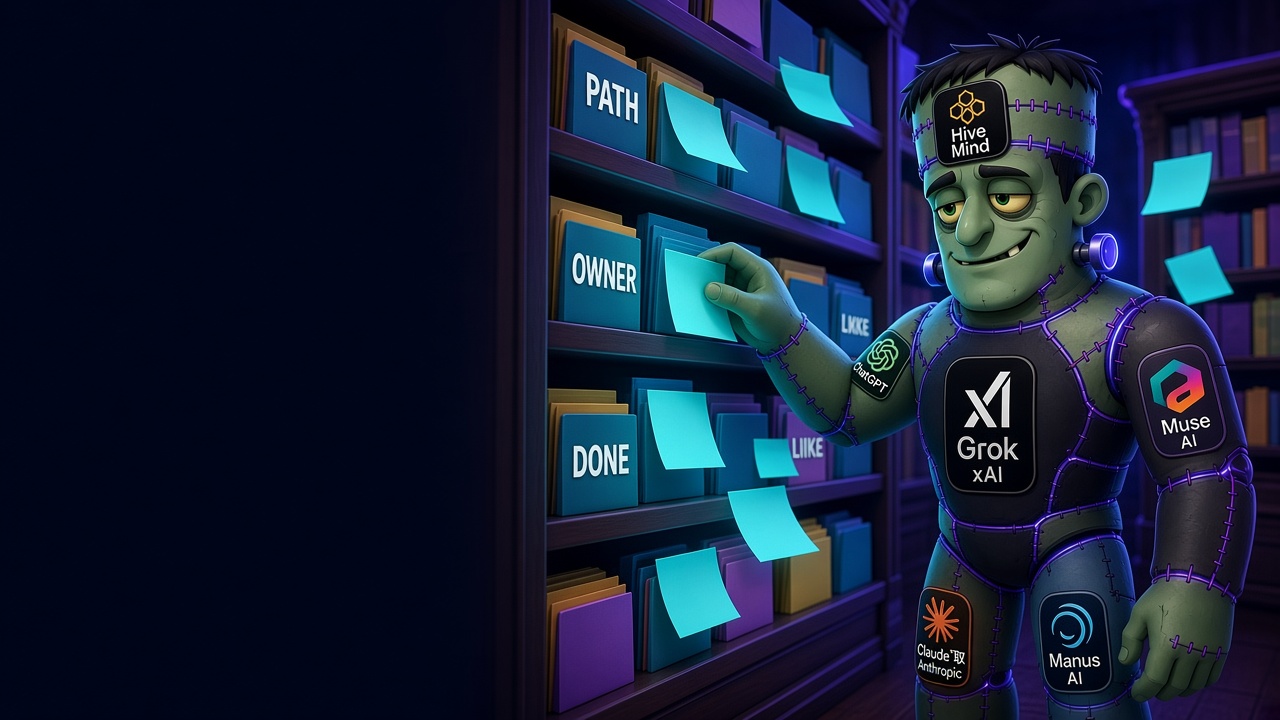
A scar is the note you write after a mistake, so the next run is smarter.
One short paragraph. Next time, the AI reads it first and doesn't have to relearn it.
One line about the mistake, so you don't repeat it. A password that almost went into a chat is a scar.
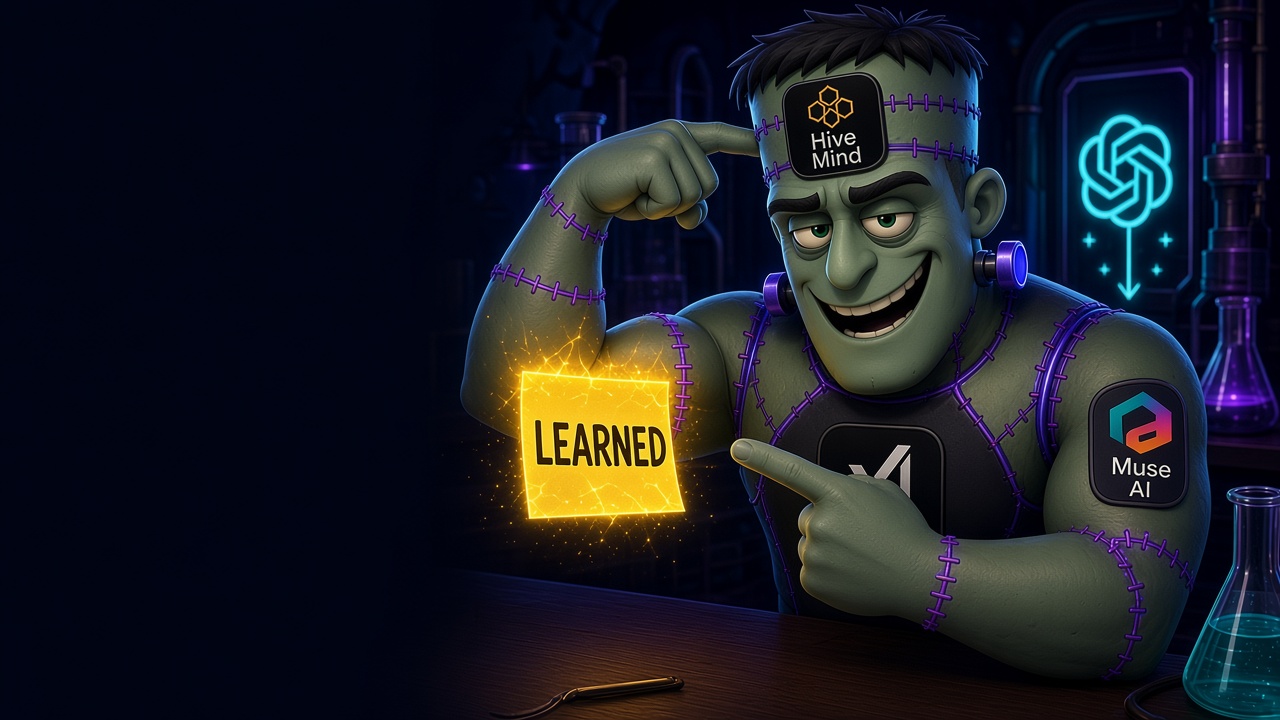
We'll look, not launch. A safe one follows three rules.
The task is written down before it starts. A vague wish doesn't count.
It saves the result to the brain and ends. It doesn't keep going.
Anything that sends, pays, or deletes waits for a human.
This is not the fire. The fire is next: misuse, lock-in, and passwords in the chat.

In this story, fire means danger: three mistakes to avoid.
Using AI for the wrong job, or trusting it without checking.
Every tool from one company. That's lock-in.
 Never type a password to an AI. Keep passwords in 1Password.
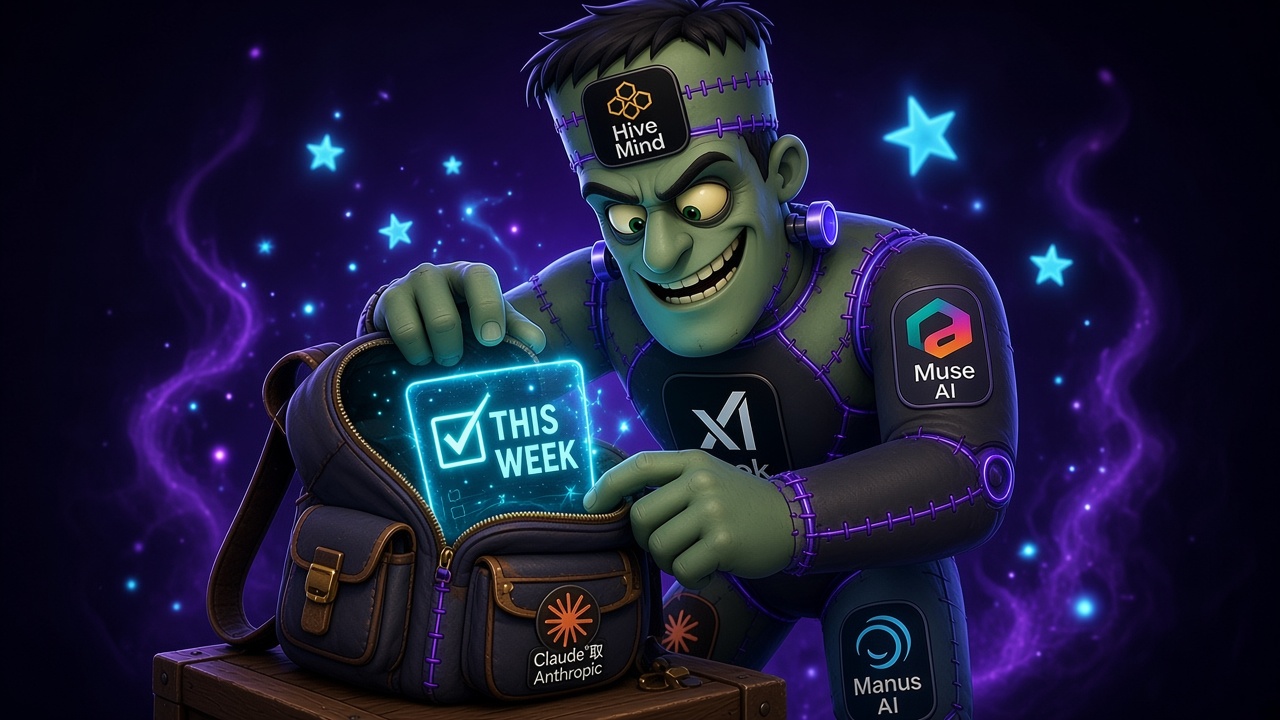 Hive Mindcreativehive.ai
Cloud Brain, the pageowenmecham.com/cloud-brain
Cloud Brain, the productcloud-brain.mybusinessgenie.ai
How I buildowenmecham.com/how-i-build
1Password1password.com · where passwords live
Obsidianobsidian.md
Notionnotion.com
Google Drivedrive.google.com
Passwords go in 1Password. Notes you want to keep go in the brain you picked.
Which seat is empty on your team?
Where will your shared brain live?
What will you never paste into a chat?
| → ↓ Space PgDn | Next slide |
| ← ↑ PgUp | Previous slide |
| Home / End | First / last slide |
| Click | Next. Left edge, or ‹, goes back. |
| N | Speaker notes, beat, and timer |
| F | Fullscreen |
| T | Reset timer |
| ? or H | This help |